Andy Burnham's Social Care Promise: What the New Prime Minister Actually Announced
By Kizito Chukwude
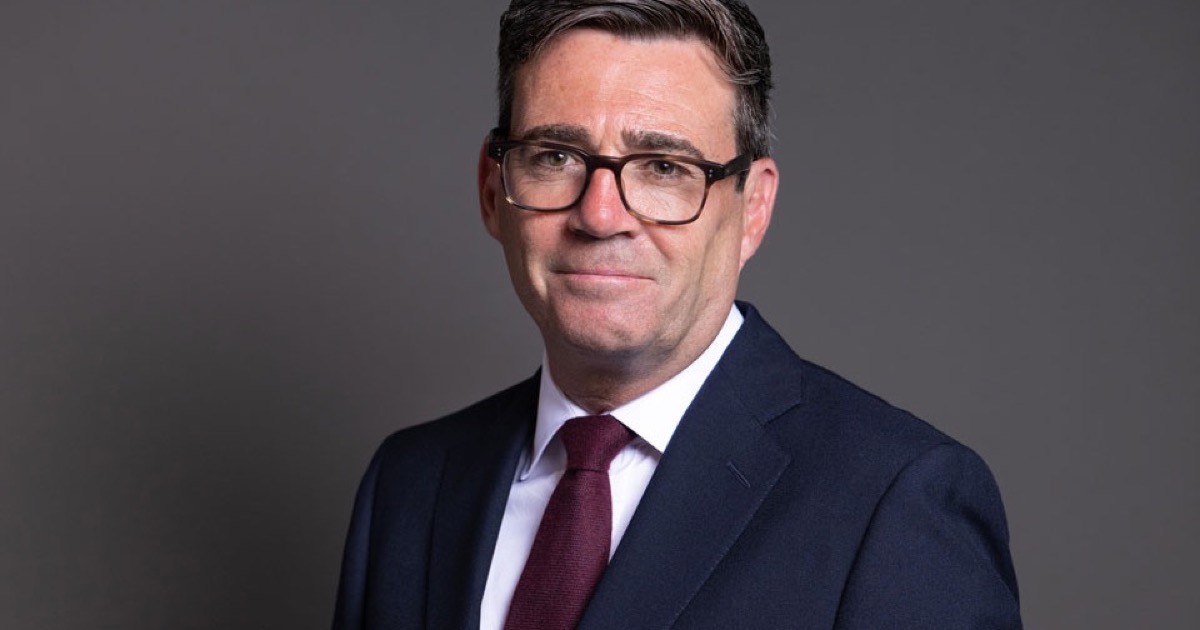
Social care has heard promises before. The difference this time is that the promise has come from a new Prime Minister who has put his own credibility on the line, brought the timetable forward and linked the future of the NHS directly to the future of care.
The CareDocPro view
This is a serious change of political direction, but it is not yet a new care system.
Providers should welcome the attention, contribute evidence and prepare for workforce change. They should not rewrite contracts, fees or policies on the assumption that a National Care Service already exists.
Explore the Registered Manager Toolkit →On 29 July 2026, Prime Minister Andy Burnham delivered his first major speech on adult social care at Jewish Care in Golders Green. The speech was unusually personal. Burnham spoke about his father's experience of Alzheimer's disease, praised the skill of the people caring for him and accepted that his own generation of politicians had repeatedly failed to settle the issue.
His central argument was simple: England cannot restore the NHS while treating social care as a separate, lower-status service. Poor access to support at home leads to avoidable crises, hospital admissions and delayed discharges. Low pay and insecure work make it harder to recruit and retain the people needed to break that cycle.
That diagnosis will feel familiar to registered managers. What matters is whether the three actions announced in the speech can turn political urgency into funded, workable reform.
The pressure in three numbers
Burnham used figures from across the care and health system to show why delay has a human and operational cost.
Adults in England estimated in the speech to have unmet care needs.
The short visit model the Prime Minister said can push complex care into crisis.
People medically fit for discharge but still in hospital on an average day in the month cited.
Source: Prime Minister's social care speech, 29 July 2026.
What the Prime Minister actually announced
The speech contained three concrete announcements. They form a process for reform, not the final design of the system.
Faster Casey review
Baroness Louise Casey was asked to bring the independent review forward by a year, with the major report expected within about 12 months.
Workforce action now
Ministers will develop the planned fair pay agreement into a wider reform covering pay, training, security and career routes between social care and the NHS.
Cross-party talks
Talks began with opposition parties to seek a settlement that can survive elections, particularly on what the state and individuals should pay.
1. A faster route to recommendations
The acceleration matters because social care reviews often lose momentum as elections approach. Before Burnham took office, Parliament's Health and Social Care Committee had warned that reform should not be pushed into the next general election. It also highlighted the cost of inaction for unpaid carers and low-paid staff.
Bringing the Casey work forward creates a clearer political moment. It does not guarantee legislation, funding or implementation. Those steps will still require a government response, spending decisions and probably new law.
2. A workforce agenda bigger than pay alone
The immediate workforce commitment may be the most relevant part of the speech for providers. Burnham said the existing fair pay agreement, planned for the 2028-29 financial year, should become a building block for a stronger profession. He also spoke about training, job security and progression into NHS roles.
That direction is welcome, but the delivery mechanism will decide whether it works. If higher pay is mandated without full funding flowing through council fees and private rates, good providers could face an impossible choice between compliance, quality and viability. A credible agreement therefore needs a transparent funding formula, enough lead time, and recognition of travel time, supervision, training and on-costs rather than headline hourly pay alone.
3. A National Care Service is the destination, not today's reality
Burnham asked Casey to examine how a National Care Service could sit alongside and work closely with the NHS. His description emphasised person-centred care, prevention and a principle of home care wherever possible.
The phrase "National Care Service" can suggest one national employer or an NHS-style service free at the point of use. Neither was announced. The Prime Minister explicitly acknowledged that there are fuller and more limited versions, each with different costs. The review still has to examine organisation, eligibility and funding.
What did not change on 29 July
- The Care Act 2014 remains the legal framework for adult social care in England.
- CQC registration, regulations and the fundamental standards remain in force.
- Current means tests, local authority duties and commissioning arrangements remain in place.
- No new entitlement to free care, new national fee or provider contract was created by the speech.
Keep your current policy library ready while reform develops →
Why this matters to domiciliary care providers
The speech was national politics, but its operational logic begins at the front door. A person who gets the right support at home may avoid a fall, a medication crisis or an unnecessary ambulance call. A hospital patient with a reliable package of care can return home sooner. A care worker with enough time, training and continuity can spot deterioration before it becomes an emergency.
This is also where the policy can go wrong. A "home first" ambition without enough commissioned capacity can simply transfer risk from a hospital ward to a person's home. The NHS's July 2026 discharge model is clear that health, social care, therapy, pharmacy, housing and other partners need to work in parallel, with visible capacity and named responsibility.
Providers should therefore listen for practical detail on seven-day capacity, information sharing, rapid-start packages, equipment, medication handover, reablement, family involvement and what happens when needs are higher than the commissioned visit allows.
The funding question cannot be postponed
Every serious social care settlement eventually reaches the same question: who pays, how much, and when?
At present, the cost is distributed unevenly between individuals, families, councils, providers, staff and the NHS. Some people fund their own care until their assets fall to the relevant threshold. Councils manage tight budgets and local fee rates. Providers absorb rising employment and operating costs. Unpaid carers make up the difference with their time, health and earnings. Hospitals carry some of the consequence when support is not available.
Burnham did not announce a new tax or funding model. That restraint is sensible while the review and cross-party talks are under way, but it leaves the hardest design choice open. Options in the public debate have included general taxation, social insurance, changes involving estates or wealth, capped individual costs, and mixed models.
A fair settlement needs to pass more than a Treasury test. It should be understandable to the public, predictable for providers, sufficient for complex care, fair across generations and resilient when government changes. It also needs to recognise working-age disabled adults, not frame social care only as an older people's issue.
What good reform would look like on the ground
A National Care Service will succeed only if people experience something better. For a person drawing on care, that means choice, control, dignity, continuity and support to live the life they want. For a family carer, it means assessment, respite, information and confidence that help will not disappear at the next handover. For a care worker, it means fair pay, paid time, good supervision, training and a real career. For a registered manager, it means commissioning that supports quality instead of rewarding the shortest possible visit.
For providers, five tests are especially important:
- Funding follows the promise. National pay and quality expectations must arrive with sustainable fees that cover the full cost of delivery.
- Home care has an equal voice. Reform should not be designed only around hospitals, councils and care homes. Domiciliary and supported-living providers understand the daily reality of prevention.
- Integration reduces duplication. Better shared records and clearer accountability should remove repeated assessments and unsafe handovers, while preserving lawful consent and data protection.
- Quality remains person-centred. National consistency should set a reliable floor without flattening individual choice, local relationships or specialist care.
- Small and independent providers can survive the transition. New reporting, digital or employment requirements need proportionate implementation support.
The emerging timeline
29 July 2026
Political reset Faster review, workforce work and cross-party talks announced.Next 12 months
Big Conversation and Casey recommendations The public, people drawing on care, carers, staff, providers and political parties shape the proposed settlement.2028-29
Fair pay agreement currently planned The date mentioned in the speech remains a planning marker, subject to the detailed workforce and funding settlement.What registered managers should do now
There is no need for speculative policy changes. There is a strong case for getting your evidence ready and making your voice useful.
Know your pay, travel time, mileage, training, supervision, pension, holiday and agency costs. Headline hourly rates do not show the true cost of safe care.
Track declined packages, unfilled hours, visit length pressure, staff turnover and reasons for delayed starts. This is evidence policymakers can use.
Review recent discharges for medication information, equipment, risk assessments, consent, family communication and whether the commissioned package matched assessed need.
Respond through provider associations, councils and the Casey Big Conversation. Use anonymised examples and outcomes, not only general statements about pressure.
Promise, test and opportunity
Burnham's speech has raised the political stakes. He did not pretend the funding question was easy, and he made reform a personal test of his premiership. That is more significant than another announcement that social care matters.
But care has been close to a breakthrough before. The true test will be whether the coming year produces a funded settlement with public consent, practical delivery and a workforce plan strong enough to survive contact with real rotas, real homes and real lives.
For the sector, the right response is neither cynicism nor celebration. It is constructive pressure: welcome the urgency, insist on the detail, and keep the experience of people who draw on care at the centre of every decision.
Sources and further reading
- Prime Minister's speech on social care, 29 July 2026
- Downing Street summary of the social care announcement
- Health and Social Care Committee report on the timetable for reform
- CQC State of Care 2024/25: adult social care
- Skills for Care 2026 workforce size and structure report
- NHS England model discharge pathway, July 2026
Official portrait: UK Parliament, via GOV.UK. Care image: Jsme MILA via Pexels, used under the Pexels licence. This article explains a developing policy announcement and is not legal advice.
Stay ready while policy changes
Keep your current CQC evidence clear, current and usable.
CareDocPro helps care providers create and maintain personalised policies, governance documents and registration evidence.
Explore CareDocPro